Sports
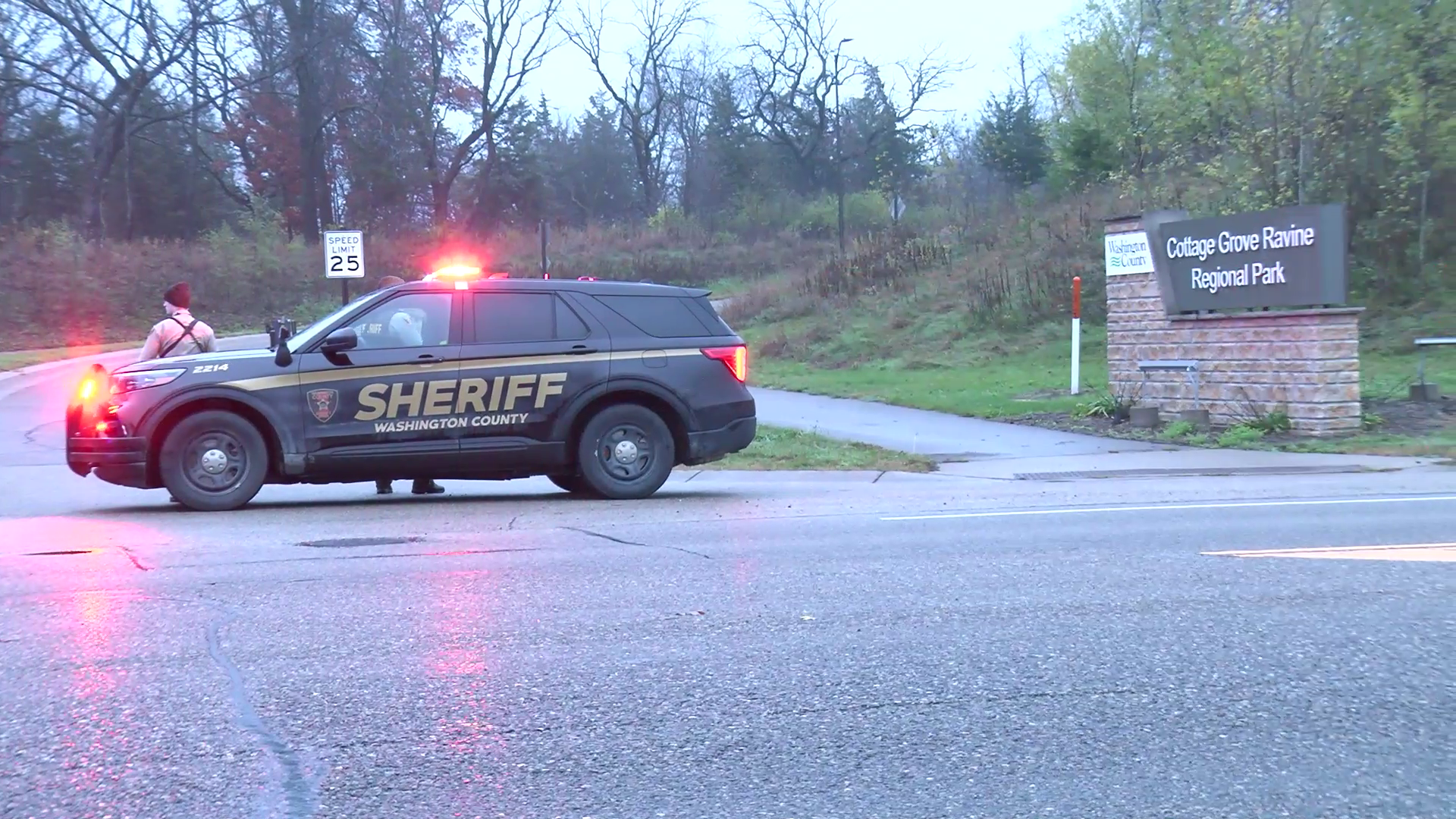
2 people found dead at Cottage Grove’s Ravine Park after report of shots fired
By Marcus Chen
Advertisement · Why this ad?
Marcus manages the day-to-day editorial workflow across all brands, coordinating coverage assignments and ensuring editorial standards are met. He previously served as city editor at the Pioneer Press and holds a degree in Political Science from Carleton College.
More from Marcus →
As the sun sets over Purgatory Park, the tranquil sounds of nature are interrupted by the chatter of concerned residents gathered to discuss an unexpected change to their beloved green space. The City of Minnetonka has approved a $200,000 project to create two fenced off-leash dog areas, igniting a wave of opposition from neighbors who cherish the park's natural beauty. Diana Hoyt, a frequent visitor to the park, has taken up the cause, rallying nearly 400 signatures in a petition to halt the project.
This summer, the City of Minnetonka approved the construction of two fenced dog areas at Purgatory Park, a decision that has left many residents feeling blindsided. The project, estimated to cost over $200,000, aims to provide a dedicated space for dog owners but has sparked significant backlash from community members. Hoyt, who walks her dog at the park daily, expressed her disbelief upon learning about the plans. "I have new neighbors, and they said, ‘Do you know about this dog park?’ I said, ‘I have no idea,’ so I started looking at what’s going on, and I was like, ‘Oh my God,’" she recounted.
Hoyt's concern is not just about the loss of space for dog owners; it extends to the potential environmental impact. She argues that the introduction of fenced areas would disrupt local wildlife and detract from the park's aesthetic appeal. "It’s like putting 16 tennis courts in there. If you don’t play tennis, it’s not for you anymore. They’re taking the park away from the majority of the people,” she stated. The city, however, maintains that the project was discussed in a series of public meetings, emphasizing their commitment to minimizing impacts to natural resources.
The response from the community has been largely supportive of Hoyt's stance. Many residents share her concerns about the park's future and the encroachment of development on natural spaces. The petition she organized has gained traction, with nearly 400 signatures from fellow park-goers who feel similarly. Neighbors like Emily Johnson, who frequently visits Purgatory Park with her children, expressed their dismay: "This park is a sanctuary for us. We come here to escape the chaos of daily life. A dog park would change that completely."
Residents have voiced their worries in various community forums and social media platforms, with many calling for the city to reconsider its decision. They argue that while the need for dog-friendly spaces is valid, Purgatory Park is not the appropriate location. "There are other areas in Minnetonka that could serve this purpose without sacrificing our cherished parkland," said local resident Mark Thompson. His sentiments reflect a broader concern that the city's priorities may be misaligned with community values.
In response to the growing opposition, city officials have reiterated their commitment to community engagement. They have stated that the dog areas are designed to limit environmental impact, but many residents remain skeptical. Hoyt and her allies are determined to keep the pressure on, insisting that the city should explore alternative locations for the dog park.
The City of Minnetonka has defended its decision, citing community input gathered during public meetings over the past year. Officials argue that the fenced areas will provide a safe environment for dogs to play and socialize, addressing a growing demand for such facilities. According to the city, the project is part of a broader initiative to enhance recreational offerings in the area.
In a statement to the media, the city emphasized that it expects construction to be completed by the end of next winter. They also highlighted their efforts to design the dog areas in a way that minimizes disruption to the park's natural resources. However, the city's assurances have done little to quell the concerns of residents like Hoyt, who feel that their voices have not been adequately heard.
As the construction timeline approaches, the debate over Purgatory Park's future continues to heat up. Hoyt and her supporters are planning to attend upcoming city council meetings, where they hope to present their case against the dog park. "They said to reach out to us. The fence is not bought yet, which to me means keep on coming," Hoyt remarked, expressing her determination to advocate for the park's preservation.
The outcome of this situation could set a precedent for how Minnetonka balances community needs with environmental stewardship. Residents are watching closely, eager to see if their voices will lead to a reconsideration of the project. For many, Purgatory Park represents more than just a recreational area; it symbolizes the community's commitment to preserving natural spaces for future generations.
In light of the growing opposition, residents have begun to organize more formally, forming groups to strategize their outreach efforts. Local Facebook groups have been established, allowing neighbors to share their thoughts, experiences, and concerns regarding the proposed dog park. These platforms have become vital for mobilizing support and disseminating information about upcoming city council meetings where residents can voice their opinions.
Additionally, community members have been encouraged to attend public forums not only to express their dissent but also to propose alternative solutions. Some residents suggest that instead of a fenced dog area at Purgatory Park, the city could explore the possibility of developing dog-friendly spaces in less frequented areas, such as the outskirts of the city or near existing dog-friendly trails that would not disrupt the natural habitat.
The debate over the dog park at Purgatory Park is emblematic of a larger conversation happening across many communities in the U.S. about the balance between development and conservation. As urban areas expand, the preservation of green spaces has become increasingly vital for maintaining local ecosystems and providing residents with access to nature. For many, parks are not just recreational areas; they are essential to community identity and well-being.
In Minnetonka, where outdoor activities and community engagement are highly valued, the outcome of this project could influence future decisions regarding land use and development. Residents are concerned that if the city prioritizes the dog park over conservation, it may set a precedent for further encroachments on natural spaces.
For those interested in learning more about the ongoing discussions regarding Purgatory Park, the City of Minnetonka has resources available on its official website, including meeting minutes and project updates. Residents can also connect with local advocacy groups focused on environmental preservation and community engagement.
Engagement in local governance is crucial, and residents are encouraged to voice their opinions through city council meetings and public forums. The city’s commitment to transparency and community involvement will be tested as this situation unfolds.
Ultimately, the fate of Purgatory Park's dog area project will depend on the collective voice of its community. As residents like Diana Hoyt continue to advocate for their vision of the park, it serves as a reminder of the importance of civic engagement in shaping the spaces we cherish.
By Marcus Chen
By Katherine Langford

By Katherine Langford

By Marcus Chen